Understanding Vapor Odors: Why Some Vapes Have Noticeable Scents
If you’ve ever wondered “do electronic cigarettes smell” or why certain e-cigarettes leave a scent trail, this comprehensive guide unpacks the science, the practical causes, and proven steps to reduce or eliminate unwanted vape odors. The goal here is to provide clear, actionable information that helps vapers, roommates, hosts, and public-space managers make informed choices about products, maintenance, and ventilation so that the word e-cigarettes is framed by useful context rather than assumption.
Quick summary
Short answer: e-cigarettes can give off smells, but they are typically less persistent and less pervasive than cigarette smoke. Whether you notice an odor depends on the device, the e-liquid composition, how it’s used, and environmental factors. Below you’ll find a thorough breakdown of the causes, types of odors, mitigation strategies, and prevention tips to keep spaces and clothing neutral.
How vapor becomes odorous
The mist produced by e-cigarettes is a complex aerosol made from a few basic components: propylene glycol (PG), vegetable glycerin (VG), nicotine (when present), water, and flavor compounds. Each element affects smell. PG tends to carry flavors and may yield a sharper scent, while VG produces thicker vapor with a slightly sweet, neutral aroma. Flavor additives (fruit, dessert, menthol, bakery notes) are designed to be aromatic, and some of these ingredients contain volatile organic compounds (VOCs) that become noticeable when heated. Over time, residues can form on coils, wicks, and inside tanks or pods; these residues degrade and can create burnt or stale scents. Finally, how you vape—high-temperature direct-lung hits versus low-temperature mouth-to-lung draws—affects chemical changes and thus the resulting odor.
Common odor types and what they mean
- Sweet or dessert-like: Usually from sugar-based flavorants, dessert concentrates, or high VG blends that carry sweet notes.
- Chemical or solvent-like: Possible from certain synthetic flavorings or impurities; sometimes produced at very high temperatures.
- Burnt or acrid: Often indicates a dry coil, carbonized wick, or overheating—clear sign that maintenance is needed.
- Menthol or cooling: Distinct but usually short-lived; menthol and cooling agents can be very noticeable but dissipate quickly.

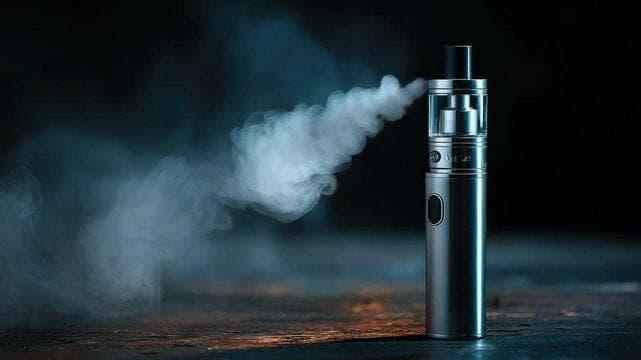 e-cigarettes may have odors and how to eliminate vape smells” />
Comparing e-cigarette smell to cigarette smoke
Traditional tobacco smoke contains thousands of combustion byproducts that adhere to fabric, paint, and hair, producing a persistent, layered odor commonly called “third-hand smoke.” In contrast, e-cigarettes do not involve combustion, so they produce far fewer persistent residues. That said, some do electronic cigarettes smell questions arise because flavored vapor can cling to surfaces temporarily and leave traces on porous materials. The intensity and longevity of that scent are almost always less than cigarette smoke, but they can still be inconvenient or socially unacceptable in certain settings.
Factors that increase noticeable vape odor
- High-flavor concentrates: Strong dessert, fruit, or bakery flavors are formulated to be aromatic and thus more detectable.
- PG-heavy liquids: Higher propylene glycol ratios can carry stronger flavor impressions.
- Low air circulation: Stale rooms trap aerosols and let molecules settle on surfaces.
- Fabric and upholstery: Soft, porous materials (car seats, curtains, carpets) absorb the aroma more than hard surfaces.
- Poor device maintenance: Old coils and charred wicking material produce unpleasant burnt smells.
- High wattage or temperature: Overheating can create chemical-smelling vapor that lingers longer.
Tip: If you’re being asked “do electronic cigarettes smell?” in social or apartment contexts, it’s often the flavor and maintenance, not the vapor itself, that causes complaints.
Effective ways to reduce or eliminate vape smells
Here is a practical, prioritized checklist for removing odors quickly and preventing them long-term:
- Immediate ventilation: Open windows, use box fans to create a cross-breeze, or point an exhaust fan toward outside to dilute and remove the aerosol quickly.
- Air purifiers: HEPA + activated carbon units reduce airborne particles and adsorb many odor molecules. Place them in the room where you vape.
- Switch to low-odor liquids: Choose unflavored or lightly flavored e-liquids and lower-PG blends to minimize detectable aromas.
- Lower the wattage: Using cooler temperatures reduces thermal decomposition of flavorants and limits strong odors.
- Regular device cleaning: Disassemble tanks, rinse with warm water, clean mouthpieces, replace coils and cotton frequently. This prevents buildup that can produce persistent smells.
- Fabric care: Wash clothing, pillowcases, and curtains promptly. Use baking soda rinses or mild detergents designed to remove odors. For upholstery, sprinkle baking soda, let sit, then vacuum.
- Odor absorbers: Activated charcoal pouches, baking soda containers, or commercial odor-neutralizing gels can be placed in cars and rooms.
- Temporary masking (use carefully): Scented sprays or essential oil diffusers can hide odors but may mix with vapor to create new scents—better as a last resort.
Deep cleaning steps for stubborn smells
If scent has settled into a vehicle, hotel room, or apartment, a deeper approach helps: wash or steam-clean soft surfaces, vacuum with an upholstery attachment, shampoo carpets, replace fabric air filters, and run an air purifier with a carbon filter for several hours. For cars, professional ozone treatments exist but can be harsh; use a reputable service if needed and ventilate thoroughly afterward.
How to clean your device to stop smells at the source
Routine maintenance for any e-cigarettes device includes: changing coils at recommended intervals (or sooner if you taste burnt), dry-burning and cleaning rebuildable atomizers appropriately, replacing wicks, rinsing pods and tanks, and drying components before reassembly. If you detect a chemical or plasticky smell, stop using the device until you identify the cause—often a poorly leached coil or a degraded insulator.
Personal grooming and etiquette
Vaping leaves less residue on hair and clothes than smoking, but noticeable aroma can still be an issue. Carry a spare outfit, use a light fragrance if desired, and be mindful of shared environments. Ask permission before vaping in enclosed shared spaces and offer to air out the area when finished.
Preventive choices to minimize future issues
- Choose discreet equipment: Mouth-to-lung devices and pod systems produce less visible vapor and typically less lingering aromas than large sub-ohm setups.
- Select neutral e-liquids: Tobacco or unflavored solutions tend to be the least offensive to others.
- Optimize airflow: Avoid vaping at very high temperatures and stick to recommended coil resistances and wattages to reduce solvent breakdown.
- Designated vaping area: Use a well-ventilated space with hard surfaces that are easier to clean.
When to be cautious about odor in public or rented spaces
Even when e-cigarettes produce milder smells than combustible tobacco, landlords, hotels, and other venues may have strict policies. If you are staying in a rental or visiting a non-smoking property, err on the side of caution: vape outside when permitted, keep usage minimal, and clean any transient residue promptly to avoid disputes and potential fees.
Health and safety perspective
Odor intensity is not necessarily a reliable indicator of health risk; some harmless fragrances can be strong, while some less-smelling aerosols may contain irritants. If someone reports irritation, discontinue indoor use and improve ventilation. While e-cigarettes generally produce fewer long-lived residues than burning tobacco, some byproducts of thermal degradation—especially at high temperatures—could be irritating to sensitive individuals.
Practical examples and real-world scenarios
Scenario A: Apartment vaping complaint. Immediate steps: open windows, use fans, offer to clean any shared fabrics that were exposed, and switch to unflavored or low-VG e-liquid for future sessions. Scenario B: Car smells after social vaping. Remove trash, vacuum, place activated charcoal pouches, run the car with windows open and cabin air filter replaced. Scenario C: Office space or meeting room. Avoid vaping indoors; if you must, step outside and store spare gear in closed cases to limit scent transfer.
Product recommendations and DIY remedies
Products that reliably reduce vapor odor include HEPA+carbon purifiers, small activated charcoal pouches for enclosed spaces, fabric-safe enzyme cleaners, and baking-soda-based deodorizers for upholstery. DIY remedies such as white vinegar rinses (for hard, washable surfaces) and air-out methods are inexpensive and effective. Avoid masking strong chemical smells with air fresheners—neutralizing odors is usually more effective than layering fragrances.
Checklist: Daily habits for odor-free vaping
- Use low-odor e-liquids when possible.
- Keep wounds: change coils and clean tanks regularly.
- Ventilate each session with a fan or open window.
- Store devices and liquids in sealed cases between uses.
- Wash exposed clothing and pillowcases soon after use.
- Keep a small charcoal pouch in your bag or car.
Measuring success
You’ll know your odor-reduction plan is working when complaints decrease, fabrics no longer retain aroma after a single session, and you personally notice less scent on hair and clothes. Consider asking a roommate or partner for feedback after implementing changes.
Common misconceptions
- Myth: All vaping smells are just as bad as cigarette smoke. Fact: Most vapor odors are less persistent and easier to neutralize than tobacco smoke.
- Myth: Clear vapor means no smell. Fact: Vapor visibility doesn’t guarantee odorlessness—some low-visibility aerosols still carry scent molecules.
- Myth: You can’t vape discreetly. Fact: With device choice, liquid selection, and good ventilation, vaping can be far less intrusive than cigarette smoke.
Final recommendations
Whether you ask yourself “do electronic cigarettes smell” out of curiosity, social concern, or self-awareness, know that most odor issues are solvable. Focus on choosing the right device, selecting mild or unflavored e-liquids, maintaining equipment, and creating good ventilation habits. These steps dramatically reduce the likelihood of lingering scents and help keep shared spaces comfortable.
Action plan (3-step)
Step 1: Reduce sources—switch to lower-flavor, lower-PG liquids and vape at moderate temperatures. Step 2: Interrupt transfer—use sealed storage and carry cases, avoid vaping near porous surfaces. Step 3: Remove residues—clean devices, launder fabrics, and use odor absorbers until the space is refreshed.
FAQ
Q: Will switching to unflavored e-liquid remove all smells?
A: Switching to unflavored or lightly flavored e-liquids significantly reduces detectable scent for most people, but minimal odors may still occur from VG/PG or device residues. Pair the switch with good ventilation and cleaning for best results.
Q: How often should I change coils to prevent smells?
A: Coil replacement frequency varies by use (heavy users may change weekly, moderate users every 2–4 weeks). If you taste burnt or notice a charred odor, change the coil immediately.
Q: Are there safe, quick tricks to remove scent from clothing?
A: Yes—wash garments in warm water with a thorough detergent, use a baking soda pre-soak for persistent smells, and dry outdoors if possible. For delicate items, air out in fresh air and use a fabric-safe odor neutralizer.
By understanding the mechanics behind why vapor may carry a scent and using the practical cleaning, ventilation, and product strategies outlined above, most users can vape without leaving a disruptive or lingering aroma; this balanced approach helps protect relationships and living arrangements while supporting responsible, considerate use of e-cigarettes.